
Manhattan Probate, Estate Settlement & Trust Administration Attorney
Settling a loved one’s estate means court filings, paying debts, and distributing assets, often while you are grieving. If you need a Manhattan probate attorney, the Law & Mediation Office of Bracha Etengoff will represent you in court and help make sure the assets reach the right people. Bracha Etengoff holds a J.D. and an M.A. in Psychology, is certified in elder mediation and divorce mediation, and has supervised Surrogate’s Court proceedings.
Whether you are the executor named in a will, the person asking to serve as administrator, or a beneficiary with questions, Bracha explains each step before it happens. Learn more about probate, estate settlement, and trust administration across New York.
What does a Manhattan probate attorney handle?
Probating a will
If the person who died left a will naming you as executor, you typically file the original will, a certified death certificate, and a probate petition with the Surrogate’s Court in the county where the person lived. For Manhattan residents, that is New York County. The court reviews the will and, if it is valid, issues letters testamentary, which give you authority to act for the estate. Bracha prepares the petition and guides you through the court’s requirements.
Administering an estate with no will
If the person died without a will, you file an administration petition instead, along with a certified death certificate and a copy of the paid funeral bill. The court decides who may serve as administrator, and often it is a spouse or child. Parents, siblings, or others with an interest may qualify too. If you qualify, the court issues letters of administration, which give you powers similar to an executor’s.
Waivers, citations, and family notice
Family members who would inherit if the will were not valid must either sign waivers or receive a citation, which sets a hearing date for anyone who wants to object. Bracha handles this step and helps you gather the family tree affidavit or other documents the court may ask for.
Inventory, taxes, and debts
The executor or administrator identifies the estate’s assets, has property appraised when needed, and pays the estate’s debts and any taxes that apply. Sometimes assets must be sold to cover what the estate owes. Bracha explains what to expect, and if you choose, you can list and categorize assets using inventory management software.
Distribution and trust administration
Once debts and taxes are paid, you transfer the remaining property to the people entitled to it. If the estate includes a trust, Bracha can help the trustee understand and carry out the trust’s terms.
Estates with property outside New York
Bracha is familiar with ancillary probate for New York property when the main case is in another state or country, and she can coordinate settling a New York estate with assets elsewhere. She also has experience representing international clients and estates with assets in foreign countries, such as France and Canada.
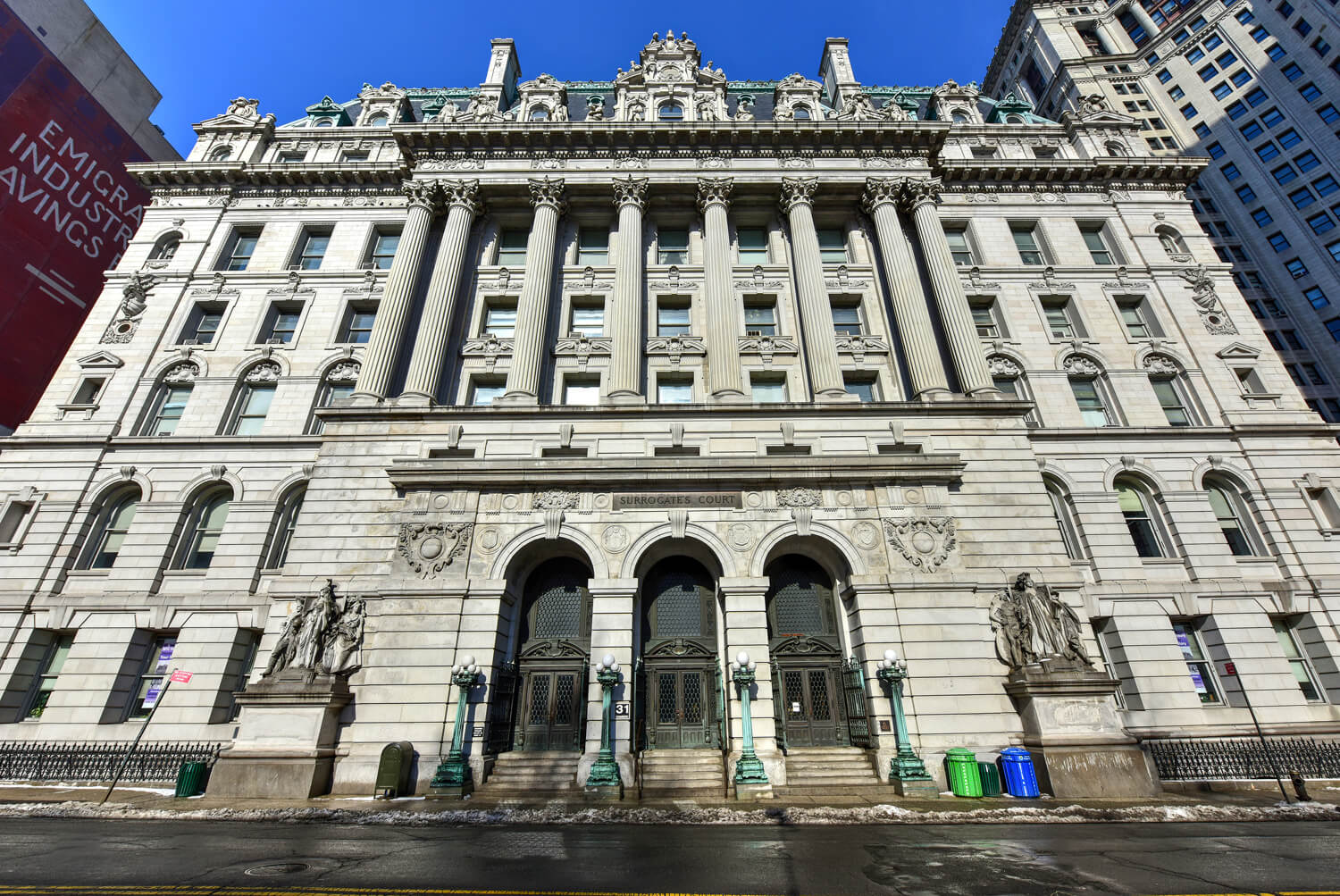
How does probate work in New York County Surrogate’s Court?
In New York, the judge who handles estates is called a Surrogate. The Surrogate oversees the process and protects the rights of everyone with an interest in the estate. A will must meet certain requirements to be valid: the person who made it was at least 18 and of sound mind, acted voluntarily, and signed with at least two witnesses who also signed after being told the document was the will.
Manhattan estates often include co-op or condo apartments, accounts at several institutions, and heirs who live in other states or countries. The building’s board and managing agent may have transfer requirements for co-op shares, and out-of-state heirs may need to sign waivers or receive citations. Bracha plans for these details early so they do not slow the estate down.
Her office is at 43 West 43rd Street in Midtown, and she can also meet by video or at your home or office.
Can mediation help if the family disagrees about the estate?
Yes. When family members disagree about a will, property distribution, or trust terms, mediation can resolve the issues outside court, which is usually less costly and stressful than litigation. Bracha is a certified elder mediator. Read about estate mediation, or see our Manhattan estate planning page for planning ahead.
What happens at the first meeting?
Every client starts with a preliminary consultation, which lasts about one hour and can take place by video or in person. You bring a summary of your assets from your financial adviser or complete a form on your assets, liabilities, and income, and the consultation fee is paid before the meeting.
After you meet, Bracha sends a Proposal with the documents she recommends and a fee estimate, so you know the plan and the cost before you commit. From there, you sign an engagement letter, fill out a Family Tree Form built for your family, and hold a second consultation to decide who will serve as executor, guardian, or health care agent. The FAQ page walks through each stage.
Frequently Asked Questions: Manhattan Probate
Do I need a lawyer to probate a will in Manhattan?
Probate involves detailed court paperwork, deadlines, and notice to family members, and mistakes can cause delays. An attorney prepares the petition, handles waivers or citations, and answers your questions along the way. Bracha reviews your situation at the consultation and explains what the process is likely to involve.
What documents do I need to start probate?
Typically the original will, a certified copy of the death certificate, and a probate petition, along with waivers signed by family members who would inherit without the will or a request for citations. If there is no will, you need a certified death certificate and a copy of the paid funeral bill. Exact requirements depend on the county and the surviving relatives.
Who can serve as administrator if there is no will?
The court decides. Often it is a spouse or child, and parents, siblings, or others with an interest in the estate may qualify too. If you are eligible, the court issues letters of administration.
What if the person owned property in another state?
A separate court proceeding, called ancillary probate, may be needed in the state where the property is located. Bracha is familiar with ancillary probate for New York property when the main case is elsewhere, and she can coordinate a New York estate that includes assets in other states or countries.
How do I get started?
Call (347) 640-0993 or use the contact page. The preliminary consultation lasts about an hour, by video or in person, and the consultation fee is due before the meeting. You then receive a Proposal with recommended services and a fee estimate.
Speak with a Manhattan probate attorney
If you are administering a family member’s estate, you do not have to handle it alone. Call the Law & Mediation Office of Bracha Etengoff at (347) 640-0993 for your confidential consultation, or contact our office online. Our office is at 43 West 43rd Street, Suite 252, New York, NY 10036. We can meet by video, at our office, or at your home or office. You can also learn more about Bracha Etengoff.
This page offers general information and is not legal advice.