
Manhattan Trust & Advanced Estate Planning Attorney
A trust can do things a will cannot: let your assets pass without probate, set rules for when and how beneficiaries receive them, and protect family members who need extra support. If you are looking for a Manhattan trust attorney, the Law & Mediation Office of Bracha Etengoff can help you decide whether a trust fits your family and, if it does, which kind. Bracha Etengoff holds a J.D. and an M.A. in Psychology, is certified in elder mediation and divorce mediation, and has supervised Surrogate’s Court proceedings.
Not every family needs a trust. After a full picture of your assets and goals at the initial consultation, Bracha explains whether more advanced planning is necessary or advisable and gives you a fee estimate before you commit. Learn more about trusts and advanced estate planning.
What can a trust do for a Manhattan family?
Avoid probate
Assets that are properly transferred into a trust pass under the trust’s terms instead of through the Surrogate’s Court, which can mean less delay and less court involvement for your family. A trust can also keep out-of-state property from needing a second probate case, called ancillary probate. Bracha reviews what you own and where it is located to see whether a trust solves a real problem for you.
Protect a family member with special needs
A trust can hold money for a child or relative with a disability so that a trustee manages it and it is used for the person’s benefit over time. Bracha designs these arrangements around your goals and reviews them alongside other tools, such as ABLE accounts and alternatives to guardianship. See guardianships for the related court options.
Handle blended families and complex situations
In a second marriage, you may want your spouse to use your assets during their lifetime and your children to receive what remains afterward. A will alone does not accomplish that, but a trust can. Trusts can also help when beneficiaries are young, live abroad, or are not ready to manage a large inheritance. Bracha helps you decide who should serve as trustee and how the rules should work.
Plan with taxes in mind
Trusts can help reduce taxes in some situations, but tax rules change and depend on your assets, so no structure fits everyone. Bracha reviews your circumstances and explains the tradeoffs before recommending a trust, so you are not paying for a document you do not need.
Fund the trust correctly
A trust only works if the right assets are transferred into it. That step can involve retitling accounts, updating beneficiary designations, and, for a co-op or condo, following the building’s rules, which may include board approval. Bracha explains what has to happen so the trust does what you expect.
Why choose a Manhattan attorney for your trust?
Bracha’s office is at 43 West 43rd Street in Midtown, close to Grand Central Terminal and Bryant Park. If you would rather not travel, she offers video appointments and can meet at your home or office.
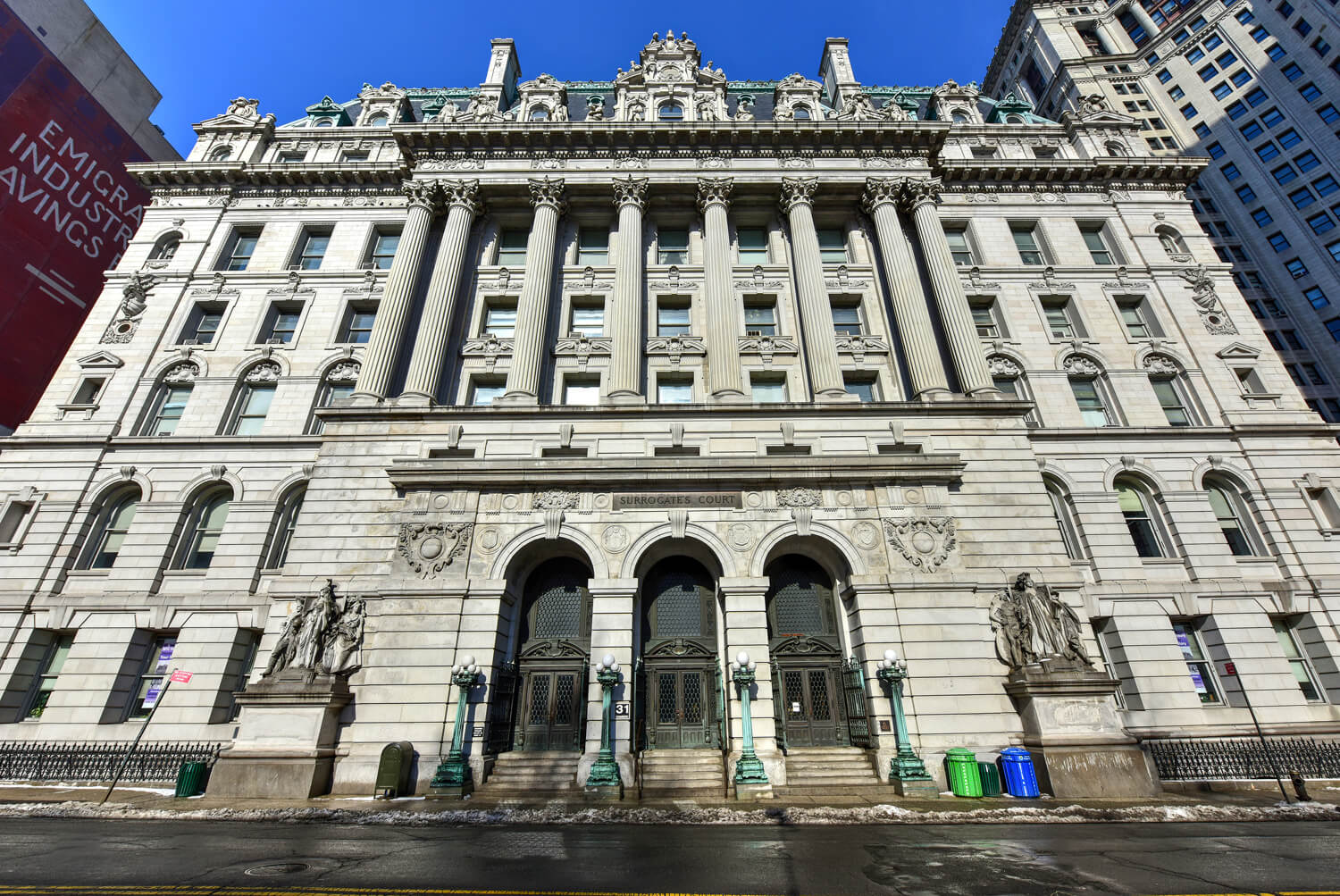
Proceedings about trusts and estates in New York are often heard in Surrogate’s Court. Bracha’s experience supervising Surrogate’s Court proceedings helps her draft trusts that are clear and workable for the people who will carry them out later.
A trust is only as good as the person who runs it. Bracha helps you choose a trustee, a backup, and clear instructions, and she talks through those choices with you in a second consultation.
How do trusts fit with the rest of your plan?
A trust usually works alongside a will, a power of attorney, and a health care proxy. See our Manhattan estate planning page for the full plan, or read about probate and trust administration if you are managing a trust after a loved one has died.
How do I get started?
The first step is a preliminary consultation of about one hour, by video or in person. Before the meeting, you provide either a summary of your assets from your financial adviser or a short form listing your assets, liabilities, and income, and the consultation fee is due. During the meeting, you share your goals and family details and ask your questions.
Afterward, you receive a Proposal that lists the recommended documents and a fee estimate. If you decide to move forward, you sign an engagement letter, complete a Family Tree Form, and meet again to choose who will serve in key roles, such as executor, guardian, and health care agent. Visit the FAQ page for the full step-by-step process.
Frequently Asked Questions: Manhattan Trusts
What is a trust, and how is it different from a will?
A will directs how your assets are distributed after you die and typically goes through probate. A trust is a legal arrangement in which a trustee holds assets for beneficiaries under rules you set, and a properly funded trust can pass assets without probate. Many plans use both.
Can a trust help my family avoid probate in Manhattan?
It can. Property that is properly transferred into a trust generally passes under the trust’s terms rather than through the Surrogate’s Court. Whether that helps your family depends on what you own, how it is titled, and your goals.
Do I need to transfer my co-op or condo into a trust for it to work?
For a trust to control an asset, the asset generally has to be transferred into it. For a co-op or condo, that step can involve the building’s rules and sometimes board approval, so it is worth reviewing those before you act.
Can a trust protect a family member with special needs?
A trust can hold assets for a beneficiary with a disability and name a trustee to manage them. How the trust is written matters, because the wrong design can affect eligibility for benefits. Bracha reviews the options with you, including ABLE accounts.
What does a trust cost, and how do I start?
Costs depend on your assets and the structure you need. After the preliminary consultation, you receive a Proposal with a fee estimate, so you know the cost before you hire the firm. The consultation fee is due before the first meeting.
Talk with a Manhattan trust attorney
Ready to find out whether a trust fits your family? Call the Law & Mediation Office of Bracha Etengoff at (347) 640-0993 for your confidential consultation, or contact our office online. Our office is at 43 West 43rd Street, Suite 252, New York, NY 10036. We can meet by video, at our office, or at your home or office. You can also learn more about Bracha Etengoff.
This page offers general information and is not legal advice.